Our Impact
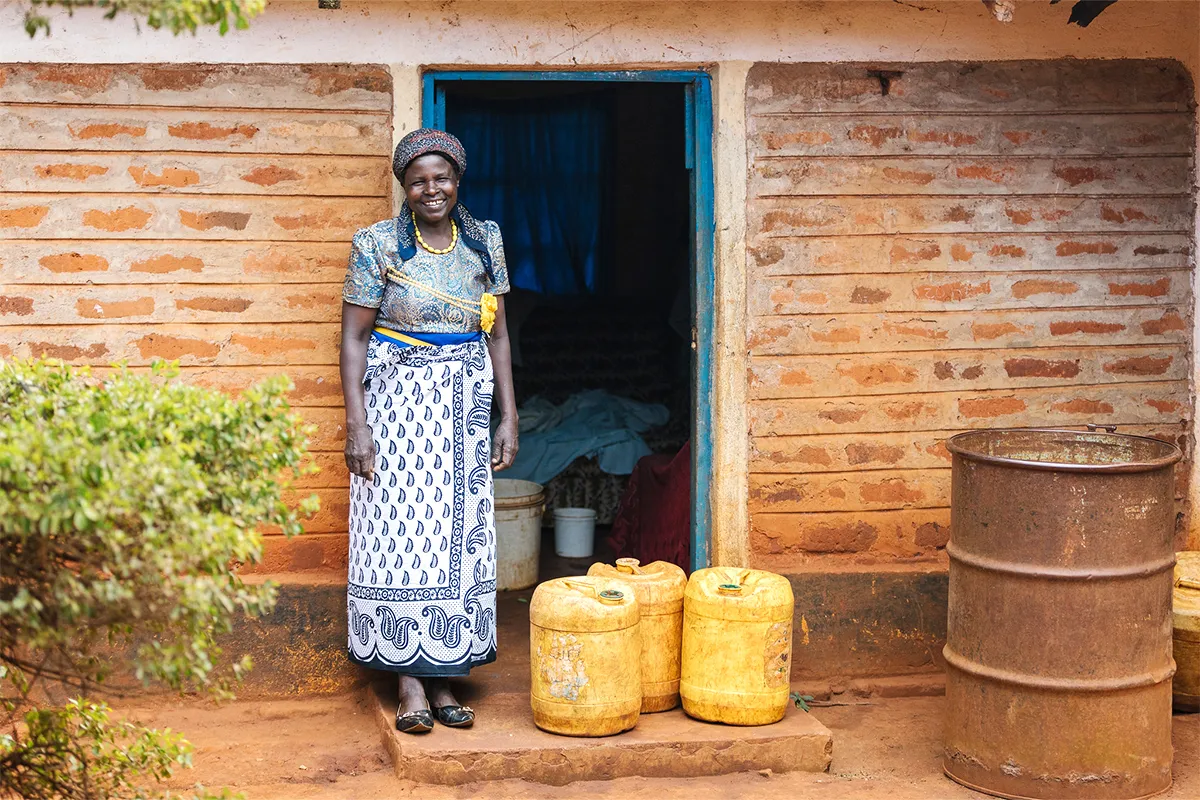
Meet the people we help empower
More than 95 million people in Africa, Asia, and Latin America now have access to safe water or sanitation at home and the hope, health, and opportunity they bring.
Read their stories to see how, together, we have transformed lives.
We work in 13 countries on 4 continents
In 13 countries on 4 continents around the world, we are turning your generosity into opportunity for families in need.
Learn more about where we work and the impact in each country.
We believe safe water is the best investment the world can make to improve health, empower women, enable access to education, increase family income, and change lives.
The global water crisis affects billions of people
Today, 1 in 4 people lack access to safe water and 2 in 5 people lack access to a safe toilet. We give our everything every day to change this because we believe in the power of water. Access to safe water and sanitation can quickly turn problems into potential – empowering people with time for school and work, and contributing to improved health for families around the world.
We will achieve our vision of safe water and sanitation for all by continuing to unlock more funding than what is currently dedicated to help solve the global water crisis — removing the barriers that stand between people in need and access to safe water and sanitation at home.
We serve people living in poverty
Our solutions resonate with people living in poverty — specifically people who have enough income potential to take out a small water or sanitation loan, but who often cannot access the funds at an affordable rate or pay for solutions upfront.
Millions of people who live in the countries where we work live on less than $8.30 a day and spend significant portions of their income to buy water. These are the people we work every day to help empower.
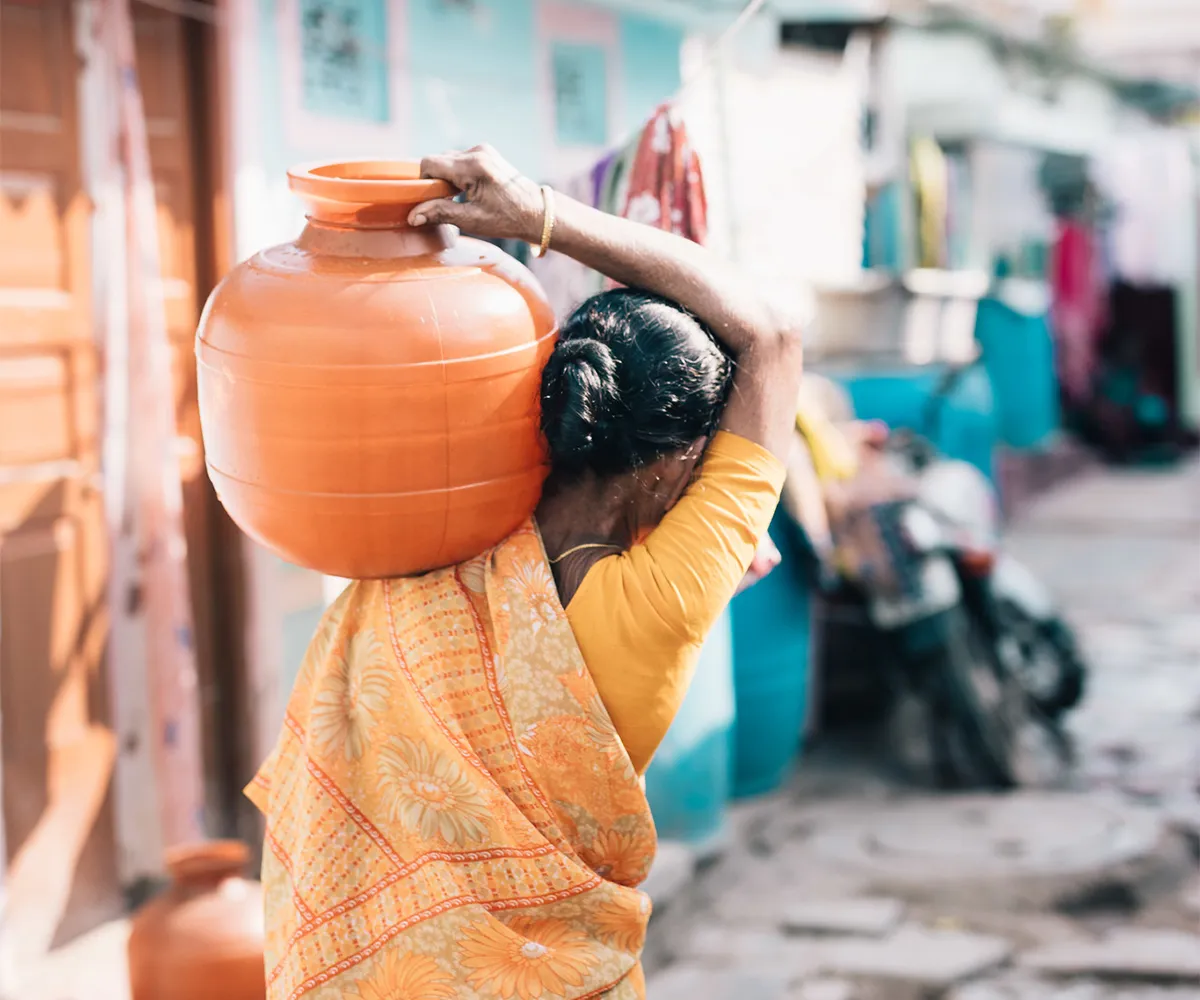
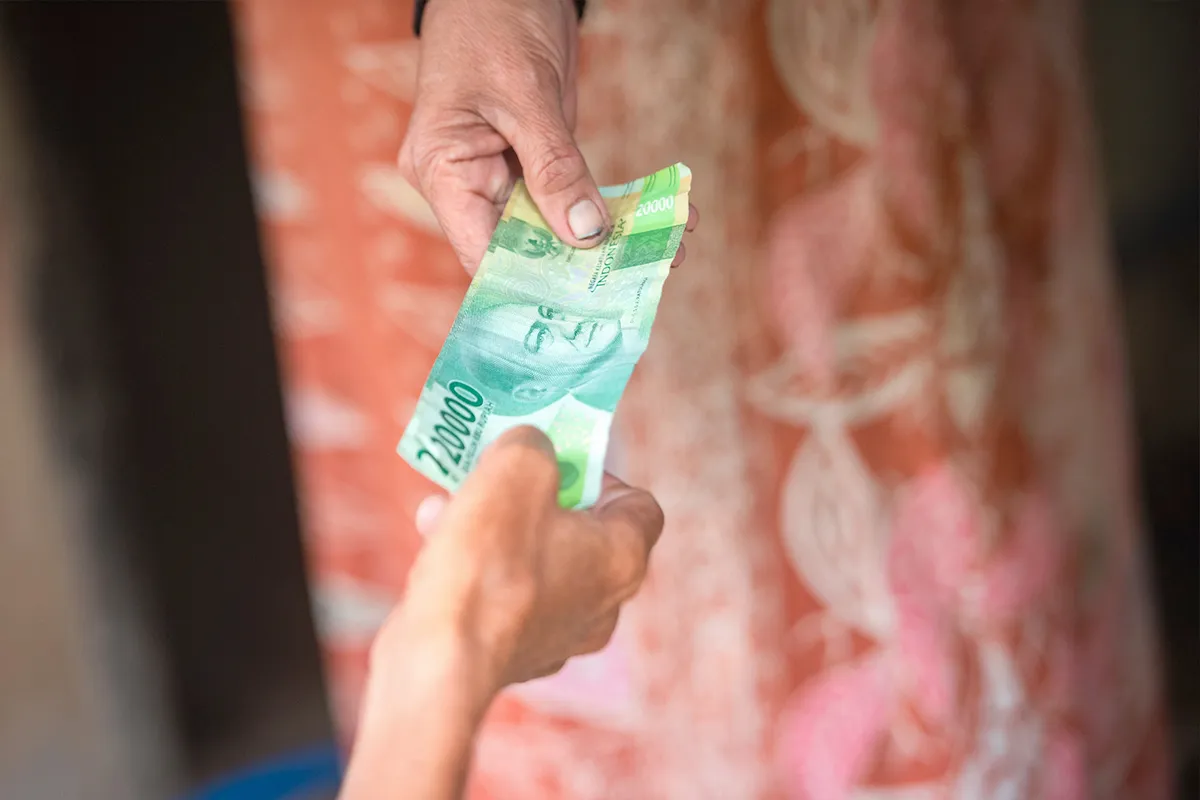
Because of our smart solutions, your gift of $5 helps empower someone in need with lasting access to safe water.
Our solutions break down barriers and help people get safe water at home
For millions of people around the world, access to funds stands between them and safe water and sanitation in their homes. Water.org offers a portfolio of smart solutions that break down the barriers between people living in poverty and access to safe water and sanitation.
Our solutions are working! More than half of our total impact was achieved in the past five years alone.
Global impact statistics
We are reaching more people in need faster with our smart solutions
We continue to change lives by removing the barriers that stand between people and water and toilets. And our impact is scaling.
We’ve changed the lives of more than 95 million people with access to safe water or sanitation through small, affordable loans, more than 9.9 million people in the last year alone.
Join us, and together we can change millions more lives with safe water.
$25 helps one family get access to safe water.
Donate