Kenya
Kenya's water and sanitation crisis
With a population of 56 million, 19 million Kenyans lack access to basic water and 36 million lack access to a safe toilet.
Growing water demand and water scarcity have turned into a notable challenge in Kenya. Climate change, population growth, urbanization, water pollution, and poor management of water resources have aggravated the issue of the water crisis, which affects economic activities, food security, education, and health. These challenges are especially evident in rural areas and underserved urban communities, where people are often unable to connect to piped water infrastructure.
Our impact in Kenya
Kenya is home to Water.org’s first WaterCredit program in Africa. Since 2005, Water.org has been implementing this solution, providing support to financial institutions to lend for water and sanitation solutions at the household level. During the initial program, we proved the viability of this market-based approach and achieved more than double our projected impact, reaching more than 550,000 Kenyans with access to water or sanitation. We’ve built upon this successful foundation by engaging additional financial institution partners to develop and integrate water and sanitation lending into their portfolios over the last decade.
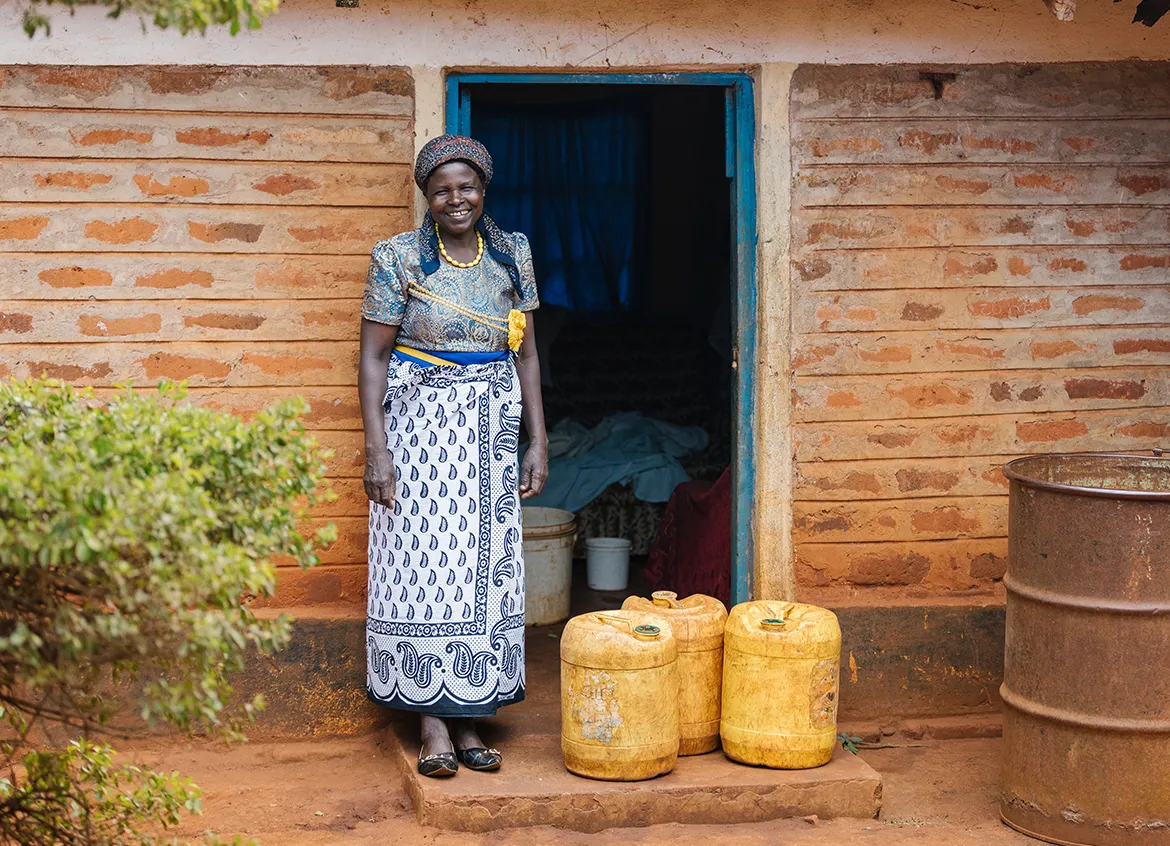
Access to safe water and sanitation at home changes everything for families in Kenya, giving them time to learn, earn, and care for their farms and families.
A vision for future impact in Kenya
The water and sanitation crisis in Kenya remains critical, and we're developing new ways to scale our work to reach even more people.
- We will continue to scale our WaterCredit solution with financial institution partners, including large regional banks and others in the financial sector.
- We are working with microfinance associations to expand our proven, powerful approach to even more microfinance institutions in the country.
- We plan to work with key stakeholders to drive public policy and practice shifts, enhancing the enabling environment for financing for water and sanitation solutions.
- We are building new approaches, like leveraging digital financial services, to reach more people in need of safe water and sanitation solutions.

Patrica built a life she loves
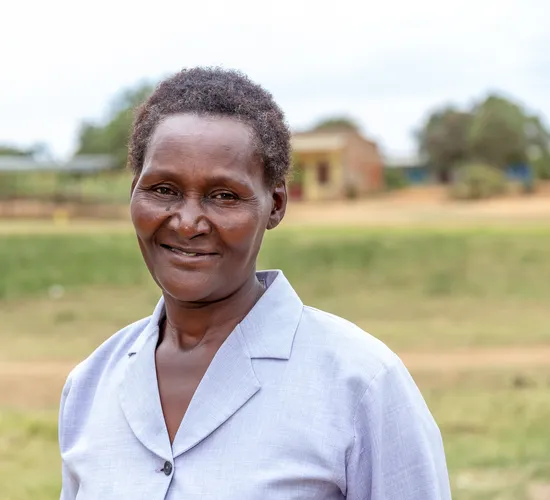
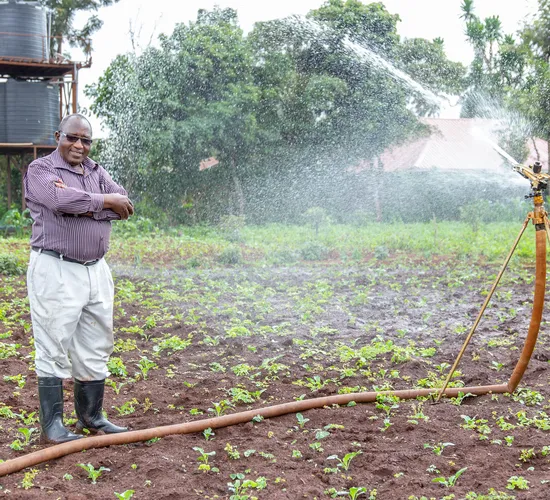
Through Water.org, Patricia was able to use a small, affordable loan to purchase three rain storage tanks for her property. Now she has enough water to feed her livestock, water her vegetable garden, and to cover her household needs. And, now she doesn’t walk long distances carrying heavy vessels of water, multiple times a day.
Kenya impact statistics
To help end the water crisis in Kenya, donate today.
Donate