A safer walk for water in Ethiopia

In most rural areas of Tigray, women and young girls fetch water from open wells, springs and other unprotected sources of water. These water sources are often located in distant areas and mostly contain some impurities in the form of suspended or dissolved matter. In many cases the water looks quite clean and safe but may contain bacteria and other harmful microorganisms known for transmitting waterborne diseases. May-ayni sub-village was a typical example of this.

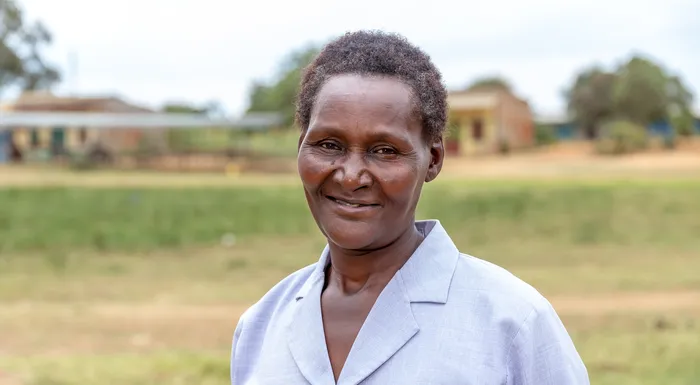
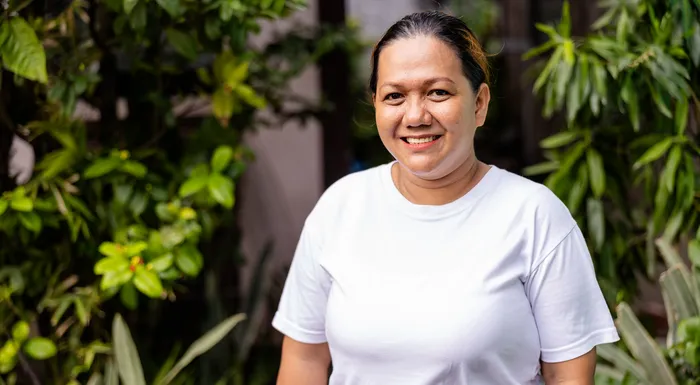
Lemlem is 21 years old, is thinking of starting a new business, and lives in May-ayni. She recently said, “Prior to the construction of this water point, I used to fetch water from a river called ‘Genfel.' It takes around 25 minutes one way walk to the river. All residents of this village collect water from this source which requires us to cross the asphalt road. Since it is a highway, collecting water from the river was a risky moment for us.’’

“But now,” she said, “things have changed. I started fetching water from this new shallow borehole which is just a five minute walk away. I am able to collect as much safe and clean water as I need. This has helped me to complete other household chores on time and have time for rest.”

According to Lemlem, the community has participated from the very beginning of this project by providing free labor, helping the water during their work, collecting stones and safeguarding the equipment and construction materials. After the completion of the water point the village established a Water and Sanitation committee comprised of six members (three women and three men) and set their bylaws. Each household is now paying two birr on a monthly basis to access the water point; one birr for the guard and the other birr is being saved at Debebit Microfinance for future repairs.

At the end of the day when asked if she has any thing to say, Lemelem said, “Thanks to REST and its partners for their generous help.”

Capital city: Addis Ababa
Population of 85 million
49 million lack safe water
75 million have no sanitation services
Infant mortality of 8%
38% live in poverty

Do Something About It

There is no shortage of ways you can make a difference

Get the Water.org Newsletter

Raise for the Cause

Make a direct impact by involving your friends online and together we will make a difference. More »

Donate Your Voice

Your voice has the power to make a difference. Signup and spread the message online. More »