The Water Crisis
The power of water
Water connects every aspect of life. Access to safe water and sanitation can quickly turn problems into potential – empowering people with time for school and work, and contributing to improved health for women, children, and families around the world.
Today, 2.1 billion people – 1 in 4 – lack access to safe water and 3.4 billion people – 2 in 5 – lack access to a safe toilet. These are the people we help empower.
A women's crisis
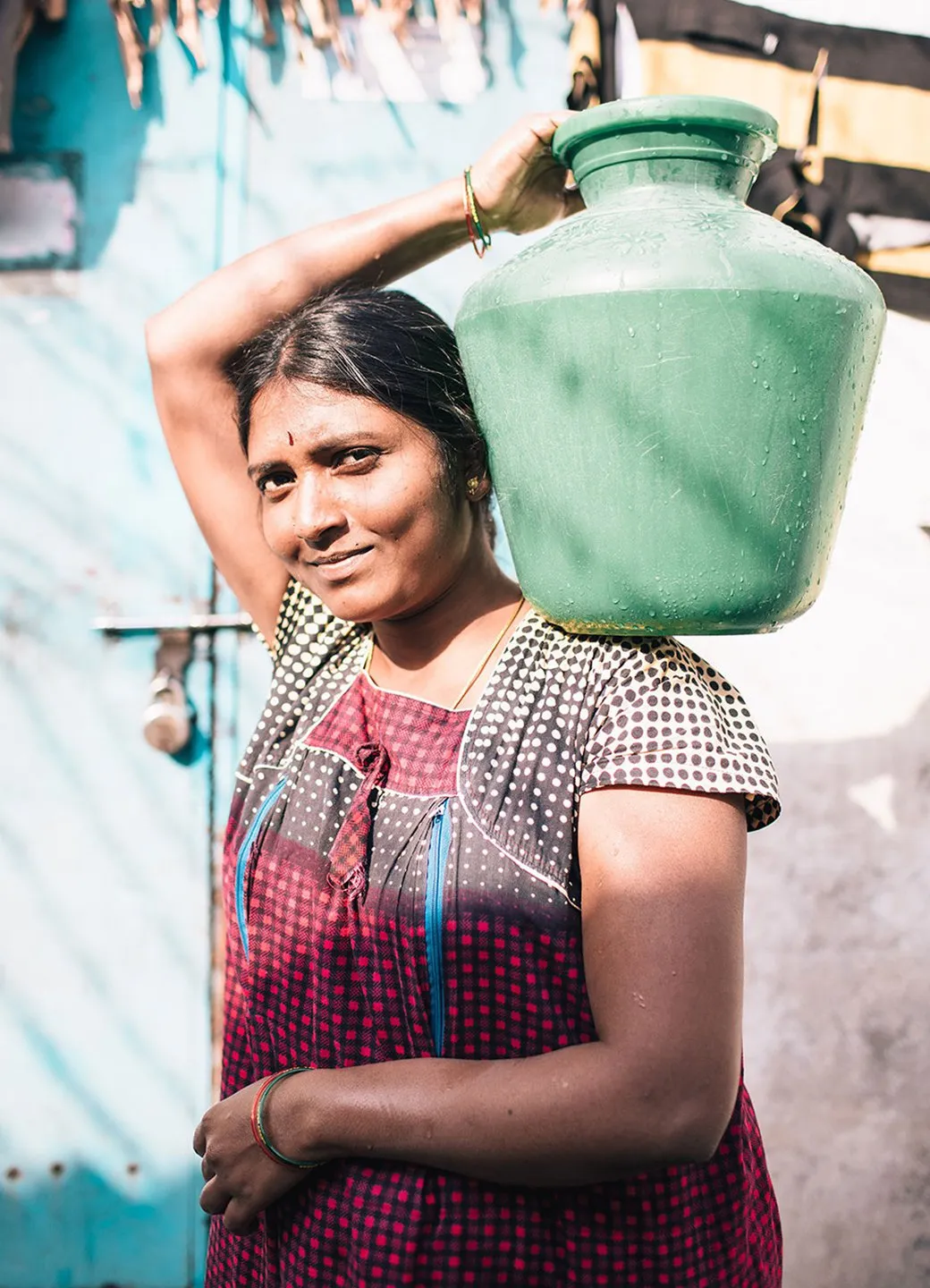
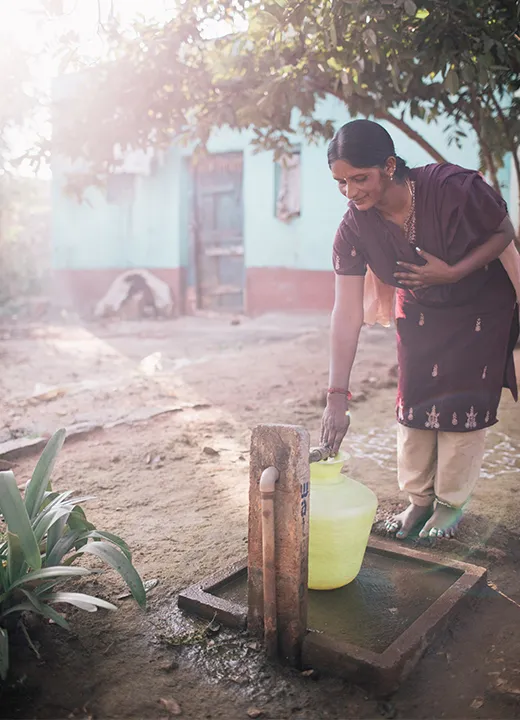
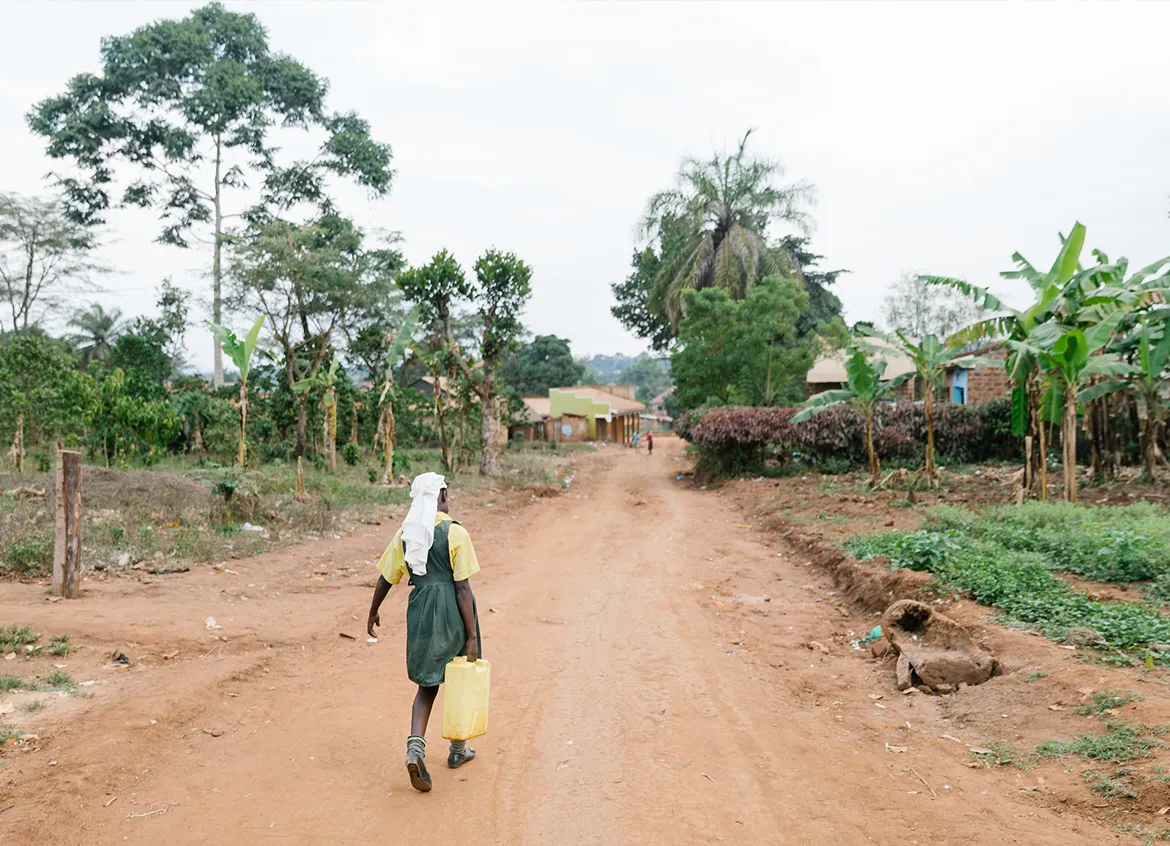
Women are disproportionately affected by the water crisis, as they are often responsible for collecting water. This takes time away from work, school and caring for family. The lack of water and sanitation locks women in a cycle of poverty.
When women have access to safe water at home, they can pursue more beyond water collection and their traditional roles. They have time to work and add to their household income.
Women and children bear the primary responsibility for water collection.
A health crisis
More than 1 million people die each year from lack of access to safe water and sanitation, and every 2 minutes a child dies from a water or sanitation-related disease. Access to safe water and sanitation improves health and helps families protect themselves from illness and disease. It means reduced child and maternal mortality rates. It means improved hygiene, privacy, and safety for women and girls. It means reduced physical injury from constant lifting and carrying heavy loads of water. Now more than ever, access to safe water is critical to the health of families around the world.
A children's and education crisis
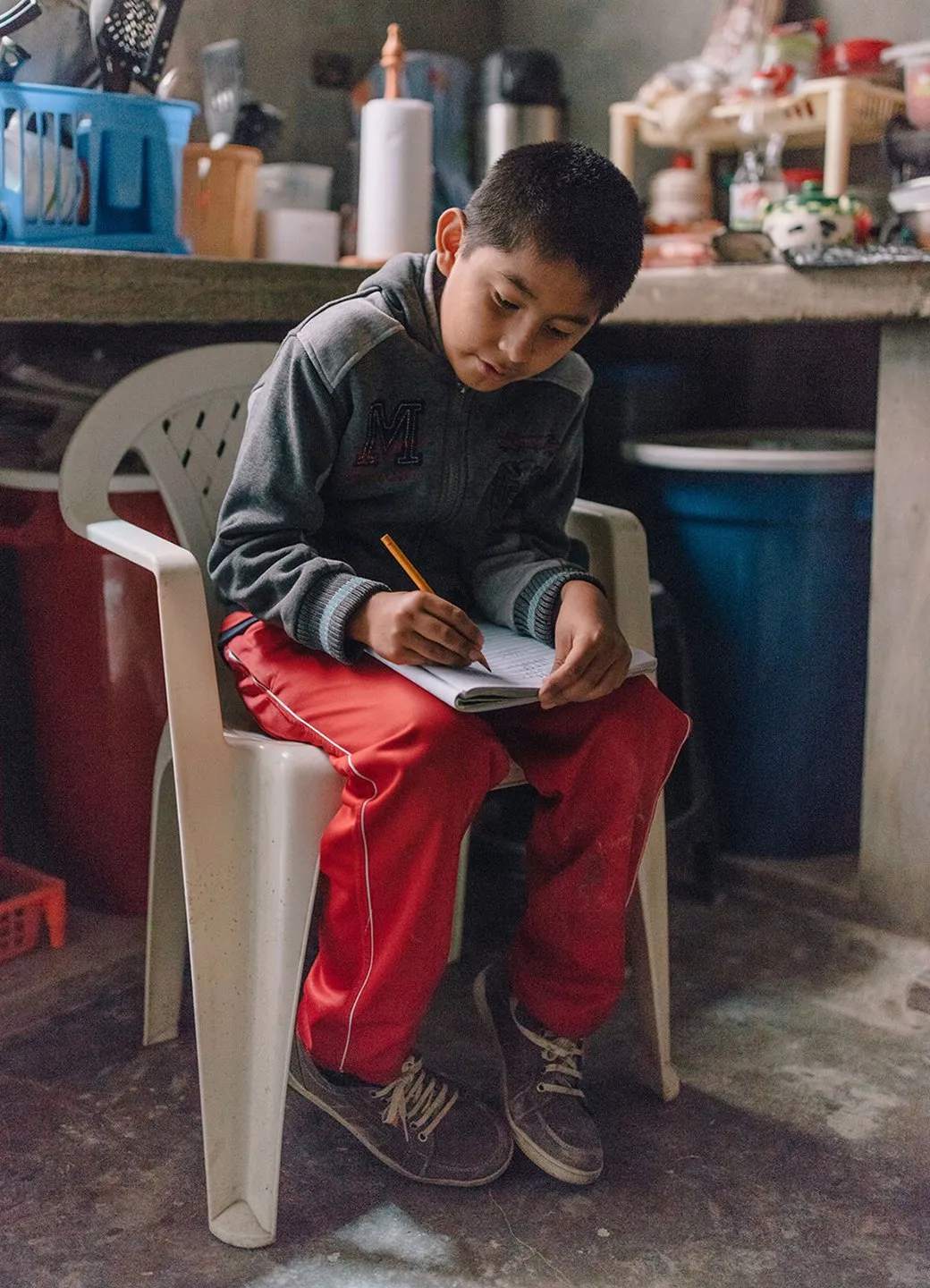
Children are often responsible for collecting water for their families. This takes time away from school and play. Safe drinking water is critical to the development of a healthy child; without it, water-related illnesses often keep children out of school. Access to safe water and sanitation changes this, giving children the time and health for school. Reductions in time spent collecting water have been found to increase school attendance, especially for girls. Access to safe water gives children time to play and opportunity for a bright future.
See how the water crisis affects children and their education >
Reductions in time spent collecting water increases school attendance, especially for girls.
An economic crisis
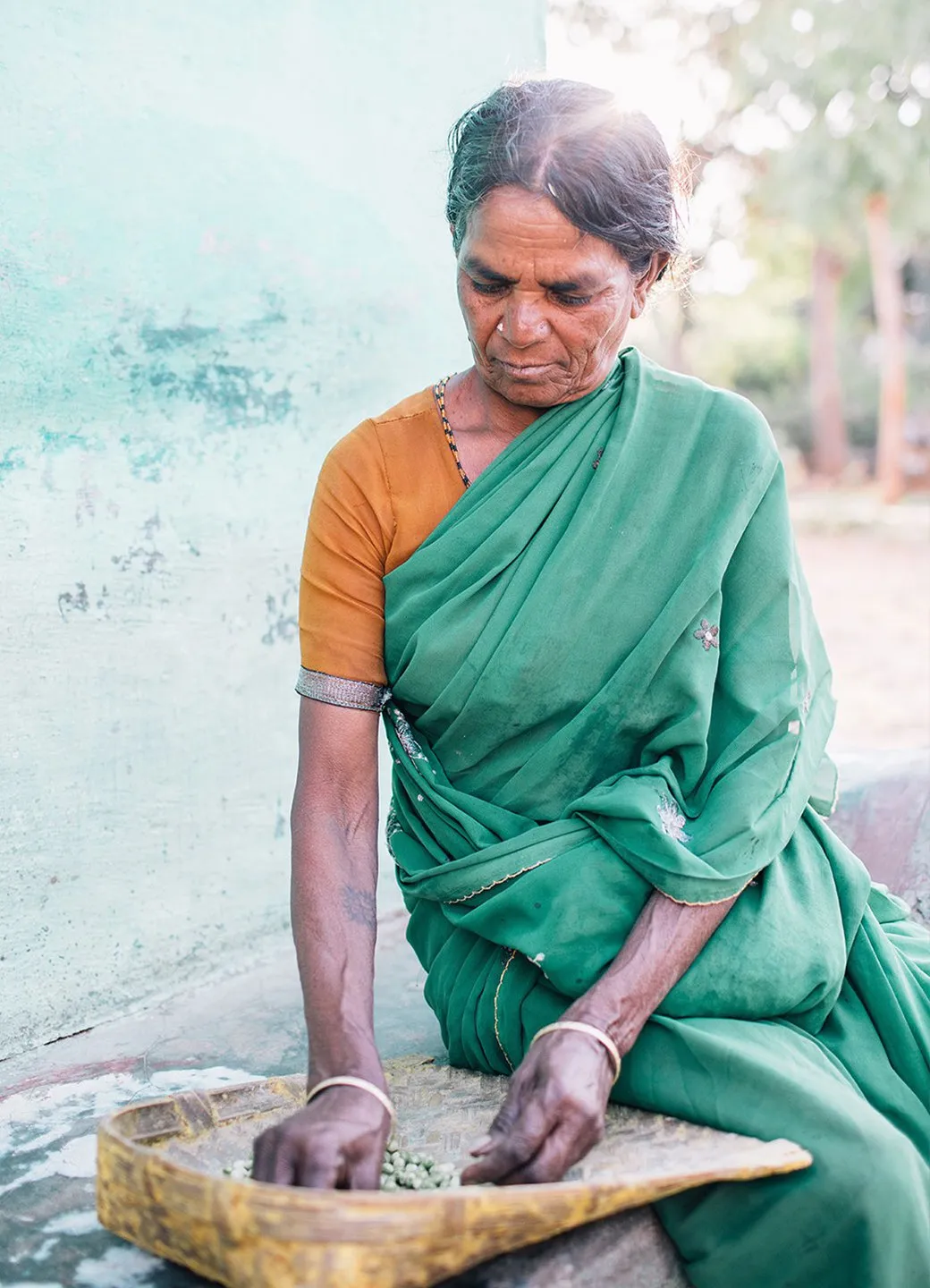
Time spent gathering water or seeking safe sanitation accounts for billions in lost economic opportunities. $260 billion is lost globally each year due to lack of basic water and sanitation. Access to safe water and sanitation at home turns time spent into time saved, giving families more time to pursue education and work opportunities that will help them break the cycle of poverty.
Learn more about how the water crisis is an economic crisis >
An environmental crisis
Water is the primary way in which we will feel many of the effects of a changing environment. Millions of families in poverty live in regions where water access is limited, temporary, or unstable. They are less prepared to face the effects of temperature extremes, floods, and droughts. Access to sustainable safe water and improved sanitation solutions can help create resiliency for the people who need it the most.
Read more about the connection between environmental change and water access >
Half of the world's population live under highly water-stressed conditions at least one month of the year.
References
- World Health Organization and UNICEF. (2025). Progress on Household Drinking Water, Sanitation, and Hygiene 2020-2024: Special focus on inequalities.
- World Health Organization and UNICEF. (2024). Progress on Drinking Water, Sanitation, and Hygiene in schools 2015-2023: Special focus on menstrual health.
- World Health Organization, UNICEF, and World Bank. (2022). State of the world’s drinking water: an urgent call to action to accelerate progress on ensuring safe drinking water for all.
- World Health Organization and UNICEF. (2020). State of the World's Sanitation: An urgent call to transform sanitation for better health, environments, economies and societies.
- Hutton, G., and M. Varughese. (2020). Costs of Meeting the 2030 Sustainable Development Goal Targets on Drinking Water, Sanitation, and Hygiene.
- United Nations. (2019). UN-Water Policy Brief on Climate Change and Water.
- United Nations. (2021). Summary Progress Update 2021: SDG 6 — water and sanitation for all.
The water crisis affects millions around the world. Make an impact today.
Donate