The Global Water Crisis
How many people don't have access to clean water?
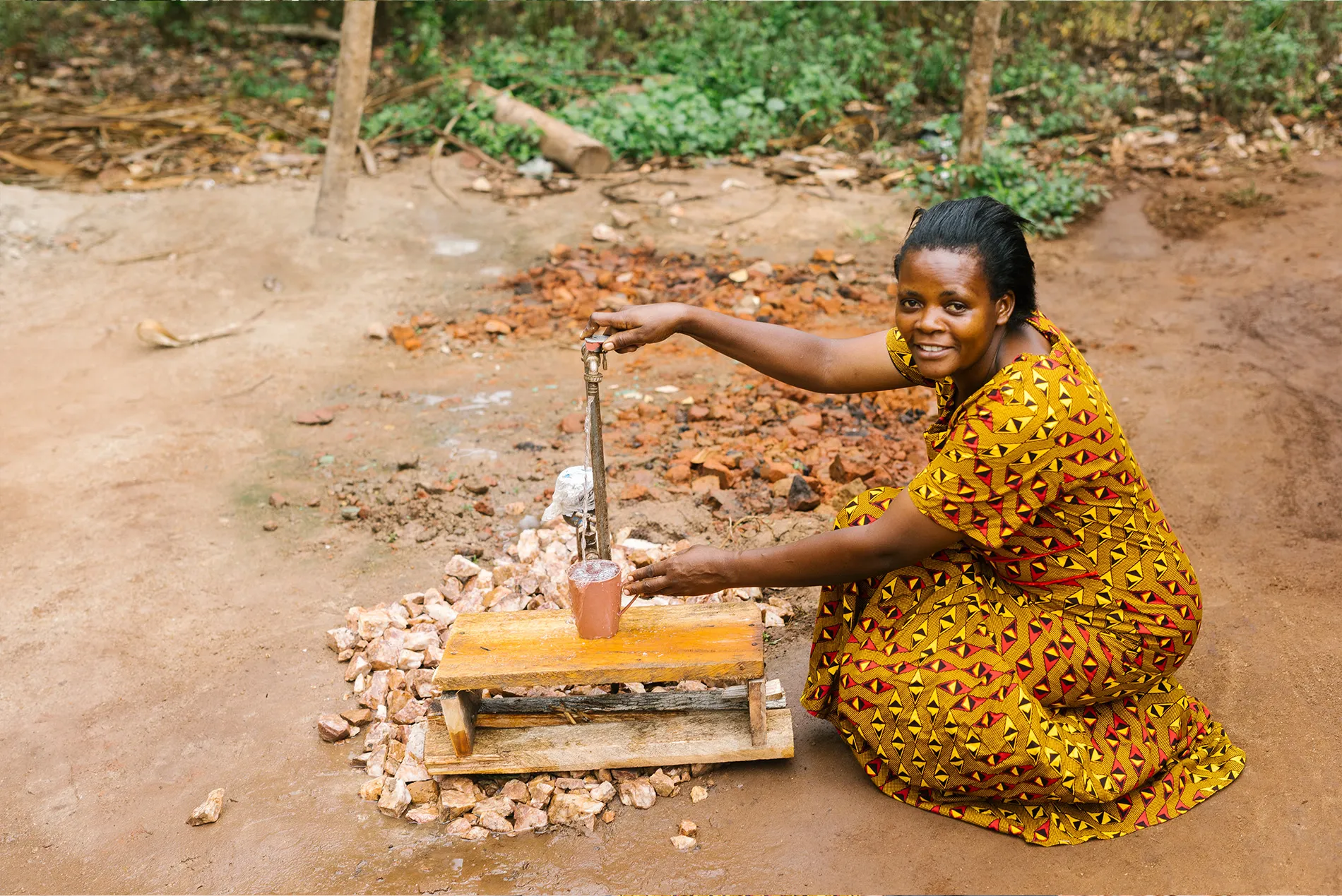
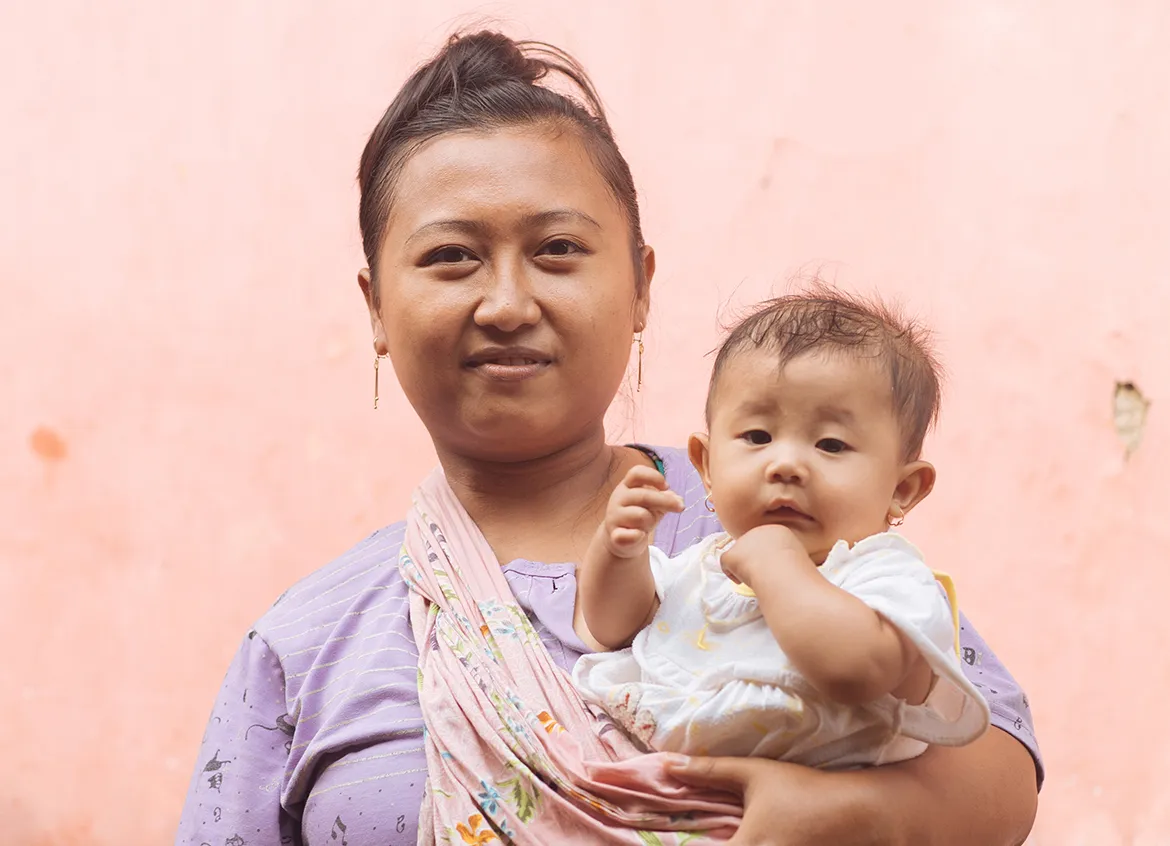
More than 2 times the population of the United States lives without a household water connection. These people, in particular women and children, must spend time to get water, instead of working or going to school or caring for their families.
The power of water
Access to safe water can protect and save lives, just because it's there. Access to safe water has the power to turn time spent into time saved, when it's close and not hours away. Access to safe water can turn problems into potential: unlocking education, economic opportunity, and improved health.
Every human being deserves to define their own future, and water makes that possible. To lessen the impact of water shortages tomorrow, we must expand access to water today. We've transformed more than 95 million lives with access to safe water or sanitation, and together we can reach even more people.
References
- World Health Organization and UNICEF. (2025). Progress on Household Drinking Water, Sanitation, and Hygiene 2020-2024: Special focus on inequalities.
- World Health Organization and UNICEF. (2024). Progress on Drinking Water, Sanitation, and Hygiene in schools 2015-2023: Special focus on menstrual health.
- World Health Organization, UNICEF, and World Bank. (2022). State of the world’s drinking water: an urgent call to action to accelerate progress on ensuring safe drinking water for all.
- World Health Organization and UNICEF. (2020). State of the World's Sanitation: An urgent call to transform sanitation for better health, environments, economies and societies.
- Hutton, G., and M. Varughese. (2020). Costs of Meeting the 2030 Sustainable Development Goal Targets on Drinking Water, Sanitation, and Hygiene.
- United Nations. (2019). UN-Water Policy Brief on Climate Change and Water.
- United Nations. (2021). Summary Progress Update 2021: SDG 6 — water and sanitation for all.